The Stability Paradox: Decoding "Sturdy" in Home Gym Weight Benches
Update on Nov. 15, 2025, 8:22 a.m.
In the world of home fitness, “stability” is the single most crucial factor in a weight bench. It’s the foundation of a safe and effective workout. Yet, it’s also the most misunderstood.
Visit the reviews for any popular foldable bench, and you’ll find a striking paradox. One user, often lifting moderate dumbbells, will call their 25-pound bench “sturdy as a rock.” The next, an experienced powerlifter, will call the exact same bench “cheap steel” and “unstable.”
Who is right? Both of them.
They are simply describing two different types of stability: Geometric Stability (how it feels) and Dynamic Stability (how it performs under heavy load). Understanding this difference is the key to buying the right bench for your specific needs.
1. Geometric Stability: The Engineering of “Feeling” Solid
Most lightweight, foldable home benches are marvels of geometric stability. They rely on clever engineering—not sheer mass—to create a solid base. The most powerful tool in this design is the triangle.
A triangle is the most stable geometric shape, effectively distributing force. A well-designed bench will use an “extra solid triangle structure” to lock its joints in place, eliminating the “wobble” that users associate with cheap equipment. This is why a 25-pound bench can have a “660-pound capacity”—this is a static load rating, meaning it can hold 660 pounds without collapsing.
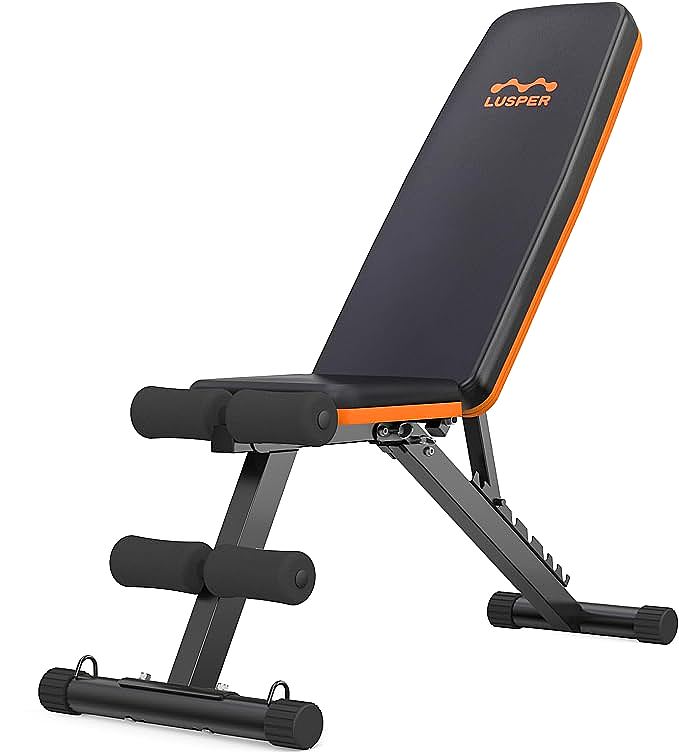
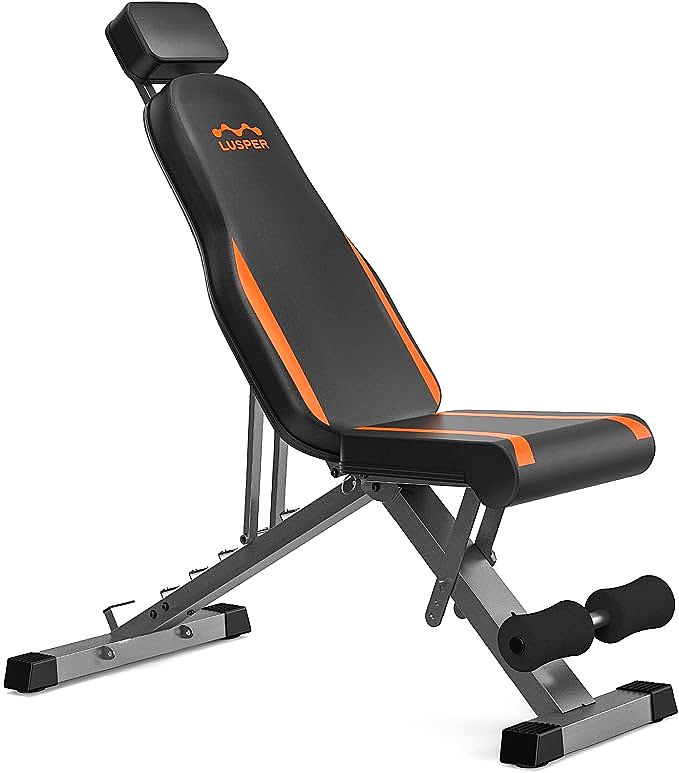
A bench like the Lusper Adjustable Weight Bench is a prime case study in this design philosophy. Its 25.35-pound alloy steel frame is engineered with these triangular principles to feel exceptionally stable for its intended purpose: home workouts with dumbbells. It is not, as one user correctly noted, a heavy-duty commercial bench. It is a smarter, lighter design.
2. Dynamic Stability: The Physics of Mass
Dynamic stability, on the other hand, comes from mass. A commercial gym bench weighs 100-150 pounds. It is made of heavy-gauge steel. Its stability doesn’t come from clever geometry; it comes from the simple physics of inertia. It’s too heavy to flex, bend, or slide.
This is the stability an experienced lifter is looking for. When they perform a 300-pound dumbbell press, the dynamic forces on the bench are immense. A lightweight, 25-pound bench, no matter how clever its triangular design, will inevitably flex under that kind of dynamic load.
This is the trade-off. A commercial-grade, mass-heavy bench is dynamically stable but is also expensive, immovable, and cannot be folded. A foldable home bench is portable and space-saving, but its stability is primarily geometric.
The Hidden Flaw: When Ergonomics Trump Stability
Here is the problem: many buyers get so focused on stability (of either kind) that they miss a more common and dangerous design flaw: poor ergonomics.
What good is a stable bench if it’s unsafe or uncomfortable to use? The most common ergonomic failure in the budget foldable market is a short backrest.
To save on costs and create a smaller folded footprint, many popular benches feature a backboard that is only 30 inches long. For any user over 5‘7”, this creates a critical safety hazard: the head and neck are left completely unsupported during presses. This “head dangle” breaks spinal alignment and puts dangerous stress on the cervical spine.
This is where the engineering of a bench like the Lusper reveals a deeper level of design. User reviews frequently compare it to other popular models (like the FlyBird), noting that they returned the competitor model specifically because of this “head dangle.”
The Lusper, by contrast, features a 36-inch extended head and neck protection design. This extra length is a deliberate engineering choice that prioritizes user safety and spinal alignment. For taller users, this isn’t a “feature”; it is the single most important reason to choose this bench, as it solves the most significant ergonomic flaw in its class.
The Total Package: Comfort and Convenience
This focus on user experience is also seen in the padding. A high-density foam pad (versus a soft, squishy one) is critical for creating a firm, supportive base to press against. The foam, wrapped in a water-resistant PU leather, provides a foundation that is both comfortable and durable against sweat and use.
Ultimately, the choice of a home bench is a study in engineering trade-offs. The Lusper Adjustable Weight Bench represents a smart solution for its target audience. It intentionally trades the dynamic stability of a 150-pound commercial bench for the geometric stability and “3-second fast folding” convenience of a 25-pound home unit.
Most importantly, it solves the “head dangle” problem that plagues its competitors, making it a safer and more ergonomic choice for a full-body workout.