The Silent Stroke: Deconstructing Magnetic Resistance for the Modern Home Gym

YOSUDA Magnetic/Water Rowing Machine
The central conflict of home fitness is the desire for a high-intensity, full-body workout versus the reality of sharing space. The rhythmic roar of an air rower or the sloshing of a water rower, while meditative for some, can be a significant disruption in an apartment, a shared house, or a home with sleeping children. This, combined with the large footprint of most fitness equipment, creates a barrier to entry.
However, a solution exists in a specific class of rowing machine that tackles these two problems—noise and space—through deliberate engineering. The answer lies in magnetic resistance.

The Acoustic Advantage: Deconstructing "Silent" Resistance
When a rower is advertised as "silent," it almost always refers to a magnetic resistance system. Unlike its counterparts, this design is based on a principle of non-contact physics.
- Air Rowers: Generate noise by spinning a fan blade against the air. The faster you pull, the faster the fan spins, and the louder it gets. This is a functional, but inherently noisy, design.
- Water Rowers: Create resistance by moving paddles through actual water in a tank. This produces a "sloshing" sound, which is quieter than an air rower but still acoustically present.
- Magnetic Rowers: This is a fundamentally different approach. There is no air or water. Instead, a metal flywheel (in the case of the YOSUDA H-181, a 10-pound flywheel) spins as you pull. A set of strong magnets is positioned near this flywheel. The resistance is controlled by moving these magnets closer to or further from the flywheel, creating electromagnetic drag.
Because the magnets and the flywheel never touch, the primary source of operational noise is eliminated. The only sounds are the gentle hum of the flywheel spinning and the sound of the seat gliding along the rail. This "dual silent system"—combining non-contact resistance with a high-density steel frame that dampens vibration—makes it a viable option for early-morning or late-night workouts without disturbing others.
Engineering for Real Life: The Foldable Footprint
The second barrier is space. A traditional rower has a long, fixed slide rail, demanding a permanent, dedicated area. Modern magnetic rowers often address this with a "stowable" design.
This involves engineering the machine to fold or, more commonly, to be stored vertically. By balancing the machine's center of gravity, a rower with a 5-6 foot operational footprint can be tilted upright and wheeled into a corner or closet, often occupying a space no larger than a small vacuum cleaner. The YOSUDA model, for instance, claims to reduce its storage footprint by 70% through this vertical storage.
This design presents a critical engineering trade-off: slide rail length vs. compact storage. The 45.2-inch slide rail on this particular model is designed to accommodate users up to 6'2". This is sufficient for the vast majority of users, but it highlights a crucial data point to check. Individuals with a very long inseam (typically those well over 6-feet tall) may find their leg extension slightly constrained. This is the trade-off for a machine that can disappear into a closet.

Translating Specs: What "350-lb Capacity" Actually Signals
It's easy to dismiss specifications as just numbers, but they are direct signals of build quality and user experience.
- Weight Capacity (350 lbs): This specification is less about the user's weight and more about stability and durability. A machine rated for 350 pounds, often built with a 5mm-thick steel frame, is inherently more stable. During an intense rowing stroke, this robust construction prevents the machine from wobbling or "walking" across the floor. It signals a solid, planted feel.
- Tension Levels (16 Levels): On a magnetic rower, resistance is not "infinite" as it is on an air rower (where pulling harder is the resistance). Instead, it's manually set. This provides a highly consistent, measurable workout. A beginner can start at level 2, while an advanced user can get a high-intensity workout at level 10 or 12. This makes it a scalable machine suitable for different fitness levels within the same household.
- Assembly (25-Min Claim): Simplicity in assembly (e.g., 6 main parts) is a signal of good industrial design. It means fewer failure points and a lower barrier to getting started.

The Data-Driven Stroke: Smart Monitors and App Integration
The final piece of the modern home rower is the data feedback loop. While high-end machines offer immersive video screens, many magnetic rowers opt for a practical LCD monitor paired with a tablet holder.
This system tracks essential metrics: Time, Distance, Calories Burned, and Stroke Count. This is the fundamental data needed for progressive overload and goal tracking. By placing your own tablet or phone on the holder, the machine becomes "smart" by supporting fitness apps, allowing you to follow guided workouts or watch entertainment while rowing. It's a pragmatic solution that keeps the machine's cost down while providing the necessary tools for a structured workout.
Ultimately, the right rowing machine is not the one with the most features, but the one that seamlessly integrates into your specific living situation. For the apartment dweller or the noise-conscious user, the combination of non-contact magnetic resistance, a stable frame, and vertical-storage engineering presents a powerful and practical solution.
YOSUDA Magnetic/Water Rowing Machine
Related Essays

The Home Rower's Dilemma: Why Magnetic Resistance is Your Silent Workout Partner

Dripex Magnetic Rowing Machine: Full-Body Workout for Home Fitness

YOSUDA Water Rowing Machine: Experience Authentic Rowing at Home

CAP 150lb Dumbbell Set vs Adjustable: Home Gym Guide
CAP 150lb Dumbbell Set vs Adjustable: Home Gym Guide
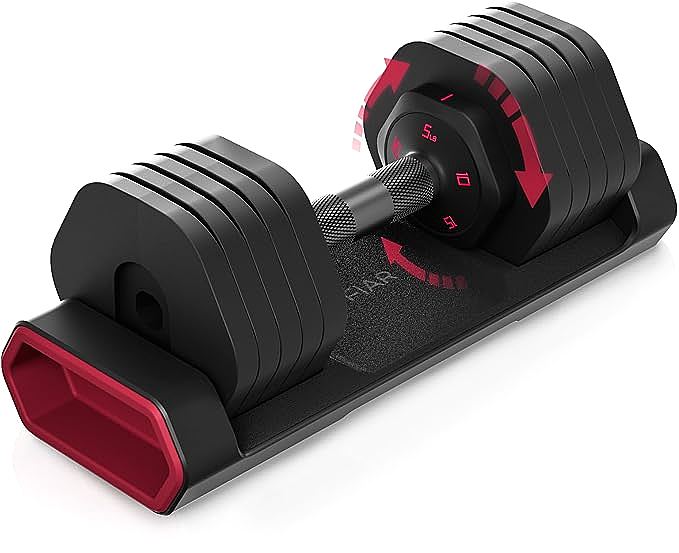
Fiar Adjustable 5-25lb Dumbbells - Compact and Versatile Strength Training
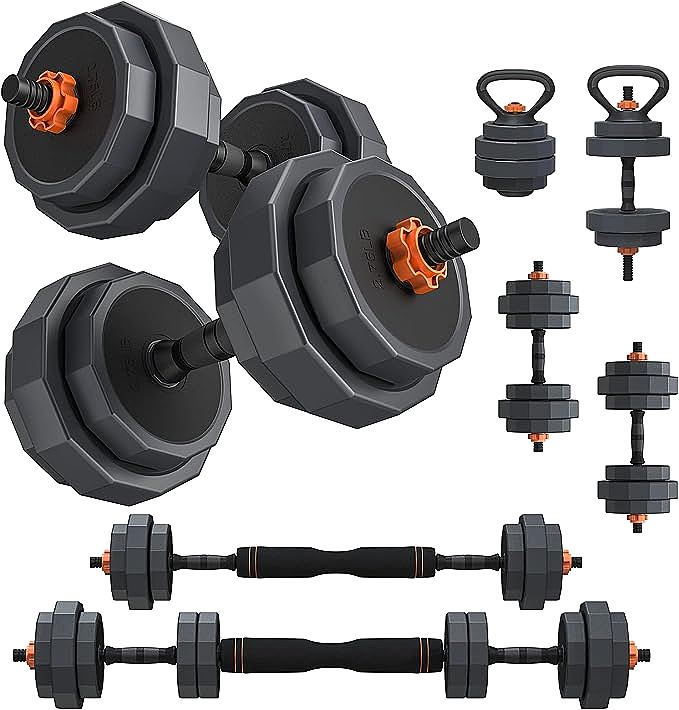
: Lusper Adjustable Weight Dumbbell Set - Versatile and Convenient Home Gym Equipment
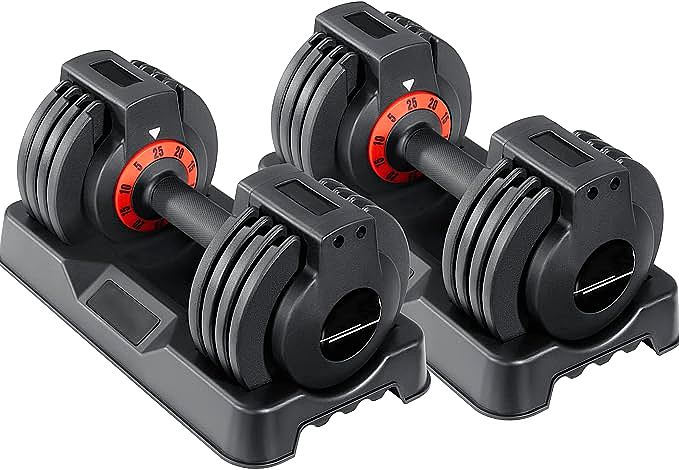
ACCPO DB2518 Adjustable Dumbbells Set - Convenient and Space-Saving Home Gym Equipment
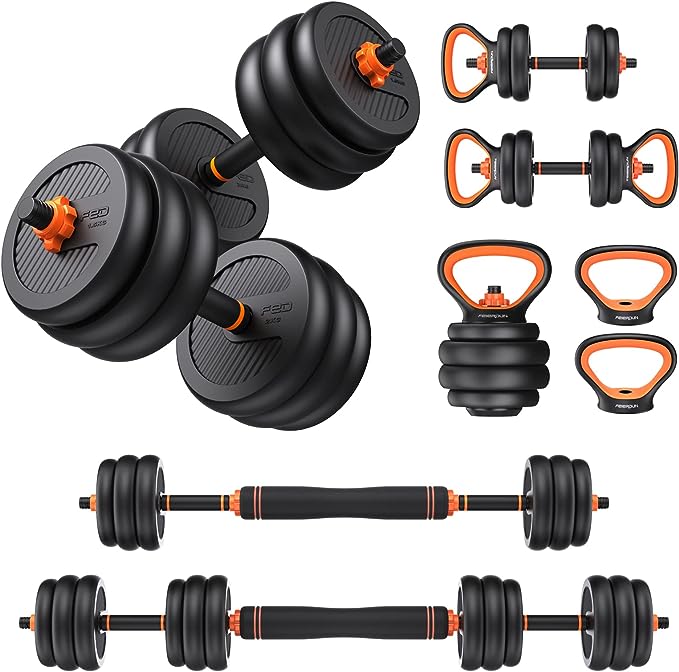
FEIERDUN Adjustable Dumbbells - Versatile and Customizable Strength Training