One-Piece Yoga Jumpsuits: Fit, Fabric, and Everyday Use

OQQ Women's Ribbed Sleeveless Yoga Jumpsuit
A 29-year-old graphic designer in Austin keeps her OQQ one-piece ribbed jumpsuit hanging on the back of her bedroom door, ready for the 6 a.m. yoga flow she does before opening her laptop. She steps into it, pulls the shoulder straps into place, and she is dressed for the session in under thirty seconds -- no waistband to align, no top to untuck, no matching decision to make while half awake. When the session ends at 6:45, she throws a flannel over it and walks to the coffee shop on the corner without changing. That zero-friction quality is the entire argument for a one-piece workout garment, and it explains why the category has grown from a niche item to a regular in studio classes and home practice alike.
The one-piece athletic jumpsuit -- sometimes called a unitard in its long-legged form, or a romper when the legs are cut short -- solves a problem that two-piece sets create: the separation point at the waist. A two-piece set has two waistbands, two hems, and two opportunities to ride, roll, or gap during movement. A one-piece has none. The torso is a continuous knit that stays where it is put through forward folds, twists, and inversions.
That advantage comes with real trade-offs in fit, bathroom logistics, and how the garment handles different body proportions. Understanding those trade-offs before choosing is more useful than any product description.

Why the One-Piece Design Changes How You Move
The defining mechanical difference between a jumpsuit and a two-piece set is the absence of a waist interface. In a two-piece set, the legging waistband and the top hem meet -- or fail to meet -- at the same point on the torso. Every movement that bends or twists the waist stresses that interface. A deep forward fold slides the top up and the waistband down; a seated twist bunches fabric between them; a handstand relies entirely on the waistband's grip to keep the torso covered.
A one-piece eliminates this interface. The torso knit continues directly into the leg knit, so there is nothing to ride up and nothing to roll down. During a vinyasa flow that moves from downward dog to cobra and back, the garment moves as a single system -- the fabric tension redistributes across the whole piece rather than concentrating at a waist seam.
This continuous construction also changes how fabric tension feels. In a two-piece set, the waistband carries the entire job of keeping the bottom in place, which is why waistbands in quality leggings are engineered so carefully. In a one-piece, no single zone carries that load; the fit is distributed from shoulders to legs. For practitioners who find tight waistbands uncomfortable -- people with sensitive stomachs, those who practice right after eating, anyone who finds compression at the midsection distracting during breathing work -- the distributed fit is a genuine comfort improvement.
The sleeveless tank cut keeps the shoulders free, which matters for overhead reach and for poses where shoulder mobility is central -- wheel pose, throat-floor postures, or simply reaching for a block. The tank silhouette also makes the garment wearable in warm studios without overheating, and layered under a sweatshirt or flannel when the session ends.
The Ribbed Nylon-Spandex Blend and Its Behavior
Ribbed one-piece jumpsuits in this category typically use a nylon-spandex blend, with spandex content around 10 to 20 percent and nylon making up the balance. The blend is chosen for a specific combination of properties that cotton or polyester knit cannot match.
Nylon brings softness and durability. Against the skin it feels smoother than polyester at the same knit density, and it resists abrasion from mat contact -- the knees and seat of the garment survive hundreds of sessions on a textured yoga mat without thinning. Nylon also holds dye deeply, which keeps dark colors dark after repeated washing.
Spandex provides the recovery. A knit with sufficient spandex content stretches in all four directions and returns to its shape immediately, which is what allows a jumpsuit to fit close through the torso without restricting breath or range of motion. The spandex content is also the component that degrades with heat and harsh washing, which makes care instructions genuinely important rather than decorative.
The rib structure adds a third layer of behavior. Vertical ribs create channels in the fabric that provide directional stretch -- the garment gives easily across the body and holds along its length. This is what keeps a ribbed jumpsuit from bagging at the seat or knee during a long session. The rib texture also has a visual effect: the vertical lines elongate the silhouette and create a contoured look without compression panels or seam engineering.
Breathability in this blend is moderate. The fabric handles a typical yoga or Pilates session well, and the sleeveless cut aids ventilation. For high-sweat, high-intensity work in a heated room, the garment will hold moisture longer than an open-weave technical fabric would -- the rib knit is denser than mesh by design. Practitioners who sweat heavily in hot yoga sometimes prefer to keep this style for cooler or lower-intensity sessions.
Fit, Sizing, and the Torso-Length Question
One-piece garments are less forgiving of proportion differences than two-piece sets, because the torso is a single fixed dimension. In a two-piece set, a wearer with a long torso simply wears the top slightly cropped; in a one-piece, torso length is built into the garment, and a mismatch shows up as shoulder straps that dig or a crotch that pulls low.
The measurement that matters most is torso length -- the distance from the shoulder over the bust, down through the crotch, and back up to the shoulder start point. Sizing charts for one-piece garments usually map height and weight ranges to sizes, but two wearers with the same height and weight can have torso lengths that differ by more than an inch. The practical test, when trying a one-piece in person or evaluating after delivery, is whether the garment can be pulled comfortably over the shoulders without the crotch seam sitting more than a finger's width below where it naturally rests -- too low indicates the torso is too short for the wearer, and every movement will pull.
Strap adjustability partially compensates for proportion differences. Adjustable shoulder straps let the wearer tune the torso tension -- lengthening the straps eases pull through the crotch, shortening them raises the chest fit. Straps that convert or cross at the back add another degree of freedom for different shoulder shapes.
The rib knit itself offers some fit tolerance that a woven garment does not. Because the fabric stretches across its width, a size bracket accommodates a range of body shapes within the same torso length. This is why ribbed one-pieces tend to fit a wider range of bodies than the size chart alone suggests -- the knit adapts to the wearer rather than the reverse.
The Practical Realities: Bathroom Logistics and Layering
The honest drawback of any one-piece garment is what happens between sessions. Using the bathroom in a jumpsuit requires partially or fully removing the top half -- pulling the shoulder straps down and rolling the garment to the waist, which takes noticeably longer than with separates and requires a clean place to set the removed portion. In a home setting this is a minor inconvenience; in a busy studio locker room or a public restroom with limited hook space, it is a real friction point that regular wearers learn to plan around.
Layering offers a partial workaround for studio contexts. A sports bra worn under the jumpsuit means the top half can stay in place during a quick change if the garment has enough stretch at the bust -- the wearer slides the straps off the shoulders with the bra providing coverage. Not every jumpsuit accommodates this comfortably; those with a higher, snugger neckline make the maneuver harder.
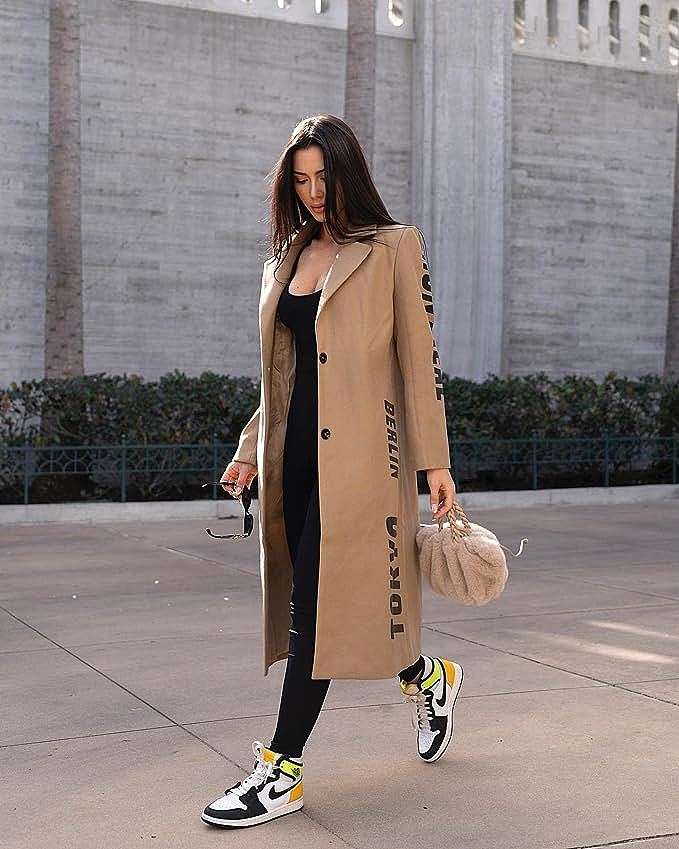
Layering after the session is where one-pieces earn their versatility. The tank silhouette works under an open flannel, a zip hoodie, or an oversized sweater, and the result reads as a deliberate outfit rather than gym clothes worn out of necessity. Many owners describe the garment as a base layer for the entire day rather than a session-only piece -- errands, school pickup, a casual dinner -- which spreads the cost per wear across far more hours than a session-only garment.
Care follows the same rules as any spandex-containing knit. Cool water washing, no fabric softener, and air drying preserve the elastane. Hung by the straps on a hook after a session, the garment dries quickly and resists the odor retention that thicker cotton blends develop. The nylon surface releases sweat readily, which is why these garments can often go two or three sessions between washes in a way cotton garments cannot.
Where a One-Piece Fits a Practice and Where It Doesn't
A ribbed one-piece jumpsuit serves certain routines particularly well. Home practitioners who roll out of bed and straight onto the mat value the zero-decision morning. Pilates and barre participants benefit from the continuous torso that never gaps during bridges, teasers, or planks -- movements where a two-piece set requires constant adjustment. Travelers appreciate that one garment covers a session, a walk, and a casual meal without packing separates. Anyone whose practice includes frequent inversions gets coverage that does not depend on a waistband's grip.
The style fits less well for high-sweat hot yoga, where the dense rib knit holds moisture, and for running or jumping-based training, where the unsupported bust of a tank-style one-piece is not designed for high-impact movement. Practitioners with proportion mismatches between torso and leg length may need to try more than one size to find a fit that works, and those who value quick bathroom access will always pay a small time tax with any one-piece.
For the core use case -- yoga, Pilates, mat work, and the rest of the day that follows -- the one-piece delivers on the promise that makes the category interesting: a single garment that moves as one continuous system, stays put through every bend and twist, and looks deliberate enough to wear out of the studio. The ribbed nylon-spandex construction provides the stretch and recovery that the design depends on, and with reasonable care, the garment holds its shape across seasons of regular practice. The trade-offs -- bathroom logistics, torso-length sensitivity, moderate breathability -- are real but narrow, and for practitioners whose sessions match the garment's strengths, they barely register in daily use.
OQQ Women's Ribbed Sleeveless Yoga Jumpsuit
Related Essays

Why Pedal Straps Change How a Seated Elliptical Feels

QINSEN Womens Zip Front Square Neck Tank Top Sleeveless Jumpsuit Long Pants Yoga Unitard Rompers - Product
