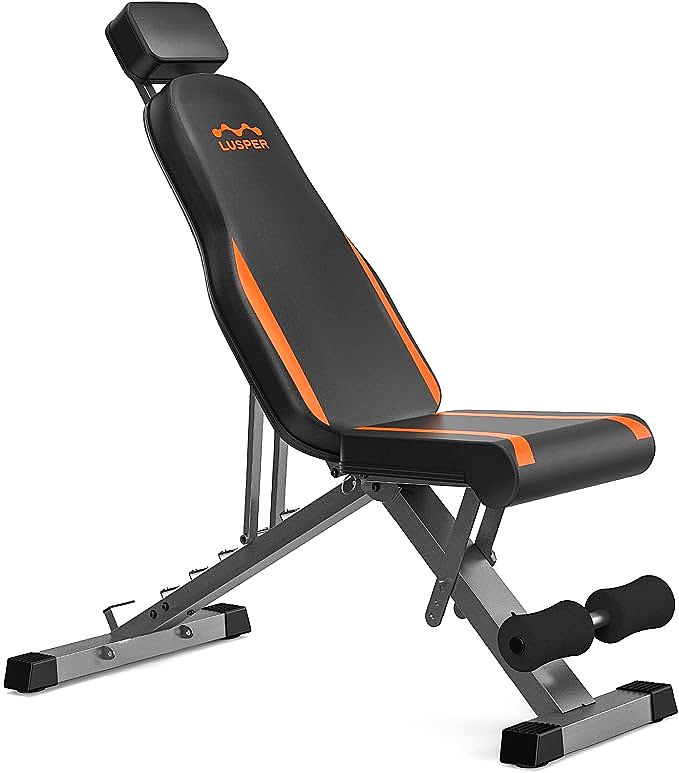
The Engineering of Adjustable Weight Benches: Why Steel Gauge and Load Path Determine Your Safety
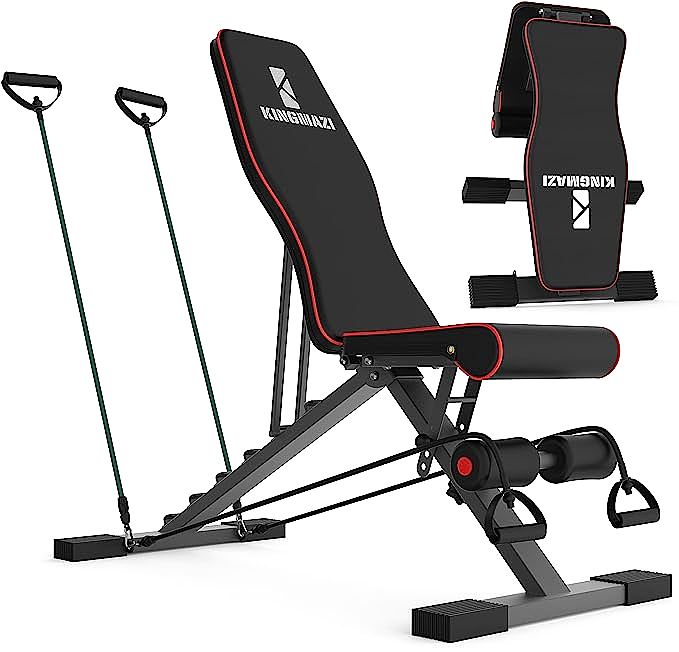
KINGMAZI Adjustable Weight Bench
The 200-Pound Problem You Cannot See
When a 180-pound man lies back to press a 200-pound barbell, the total load resting on that bench is 380 pounds. Not a single pound of that force sits still. The bar path wavers. Shoulders shift. The spine arches and flattens with each breath. Every one of these micro-movements generates lateral force — sideways push that tries to tip, twist, or collapse the bench beneath you. If that bench flexes even a quarter inch under these forces, your shoulder joint absorbs the difference. Your rotator cuff tendons, compressed between the humeral head and the acromion process, pay the price in micro-tears that accumulate into chronic impingement.
This is not theoretical. A 2019 study published in the Journal of Strength and Conditioning Research found that bench instability directly reduced force output by 8 to 12 percent in trained athletes. The researchers measured not just bar speed but electromyographic activity in the pectoralis major and anterior deltoid. When the bench wobbled, muscles fired less hard — not because the athletes chose to hold back, but because the nervous system prioritized spinal stability over force production. Your brain will always protect the spine before it pushes the bar.
The home gym builder faces this problem acutely. Commercial gyms use benches that weigh 80 to 120 pounds, with welded frames built to specifications certified by engineers. Home benches ship in cardboard boxes. They arrive as tubes and bolts, and their structural integrity depends entirely on design decisions made by people you will never meet. Understanding those decisions — the material science, the geometry, the mechanical trade-offs — is what separates a safe training platform from a folded piece of steel with a pad on top.
Steel, Geometry, and the Language of Load
Every weight bench frame is an exercise in managing compression and bending moments. When you load a bench, gravity pulls the weight straight down. The frame's uprights — the vertical tubes near your head — experience compressive force, squishing them shorter by microscopic amounts. The horizontal rails connecting those uprights experience bending, bowing downward under the combined weight of your body and whatever you are pressing.
The material resisting these forces is steel. But steel is not a single substance. Low-carbon mild steel (ASTM A36, yield strength approximately 36,000 psi) is cheap and easy to weld. Chrome-moly alloy steel (AISI 4130, yield strength approximately 60,000 to 75,000 psi) is significantly stronger per unit of weight. The difference matters because home benches must be light enough to ship and move, yet strong enough to survive repeated loading cycles over years of use.
Tube wall thickness is the next variable. Commercial-grade benches typically use 11-gauge steel tubing (wall thickness approximately 0.120 inches, or 3 mm). Budget benches sometimes drop to 14-gauge (0.083 inches, about 2.1 mm). That 0.037-inch difference may look trivial, but bending strength scales with the cube of thickness in thin-walled tubes. A 14-gauge tube is roughly 40 percent weaker in bending than an 11-gauge tube of the same outer dimensions. Under a heavy load, that margin is the difference between a frame that holds and one that permanently deforms.
The geometry of the frame matters as much as the material. Engineers design bench frames around triangulation — the principle that three points define a rigid plane. Gusset plates, those small triangular steel plates welded at joints where uprights meet base rails, serve a specific structural function: they prevent the joint from acting as a hinge. Without gussets, the stress of loading concentrates at the weld line, and the joint can progressively flex with each use until the weld cracks. With gussets, the load spreads across a larger area of the weld, distributing stress and extending the joint's fatigue life by orders of magnitude.
The base footprint — the distance between the front and rear feet on each side — determines resistance to tipping. A wider base creates a larger stability triangle on each side. When the center of gravity of the combined lifter-plus-weight system shifts laterally during a press, the bench will tip only if that center moves outside the base's support polygon. Engineering standards for fitness equipment (such as EN 957, the European standard for stationary training equipment) specify minimum stability requirements under eccentric loading. A bench with a narrow base might feel stable when you lie centered, but during an incline press where the bar drifts, the tipping moment increases sharply.
The Physics of the Adjustment Mechanism
Adjustable benches offer a range of backrest angles, typically from flat (0 degrees) through multiple incline positions to near-vertical (around 80 to 85 degrees), and sometimes decline (negative 15 to 20 degrees). Each angle changes the relationship between the lifter's body and gravity, which changes which muscle fibers contribute most to the press.
When the backrest is flat, the pressing motion occurs in a plane roughly perpendicular to the torso. The pectoralis major's sternal head — the largest portion of the chest muscle — does the majority of the work. Elevate the backrest to 30 degrees, and the line of pull shifts. The anterior deltoid and the clavicular (upper) head of the pectoralis major take on a larger role. At 45 degrees, the anterior deltoid becomes the prime mover, with the upper chest assisting. This is not opinion; it is measurable through electromyography studies that record electrical activity in each muscle group at different bench angles.
The mechanism that holds these angles must resist two specific forces. First, the direct compressive load: your upper body weight plus whatever you are pressing, transmitted through the backrest pad into the adjustment bracket. Second, and more dangerous, the moment force: the tendency of the backrest to fold forward or backward when you shift your position. An inadequate locking mechanism allows the backrest to slip under load, dropping you abruptly from incline to flat — or worse, from incline to decline — mid-press.
There are two common adjustment designs: ladder notches and pull-pin systems. Ladder systems use a stationary rail with a series of cutouts; a bar slides into the desired notch and is held there by gravity and the backward push of the pad. These are simple and strong, but they only resist force in the direction that loads the notch. Pull-pin systems use a spring-loaded steel pin that passes through aligned holes in the frame and the adjustment bracket. When properly engineered with tight tolerances, pull-pins provide positive locking in all directions. When poorly manufactured, the pin can have millimeters of play, allowing the backrest to rattle under heavy loads.
Seat angle adjustment is often overlooked but structurally connected. When the backrest inclines, your hips tend to slide downward. An adjustable seat that tilts upward at the front edge creates a friction hold, preventing your body from sliding into a compromised position. The interaction between backrest angle and seat angle is a coupled system — changing one without adjusting the other can create a gap between the two pads that pinches the lumbar spine or leaves a section of your back unsupported.
Load Path Analysis: From Shoulder to Floor
Think of a bench as a chain of load-bearing connections. The weight starts at the bar or dumbbells, travels through your arms and shoulders into your torso, then through the backrest pad into the frame, down through the uprights, through the base rails, and finally into the rubber feet and the floor below. Every link in this chain is an opportunity for energy loss or structural failure.
The backrest pad itself is a structural element, not just comfort padding. High-density foam (typically rated at 30 to 40 kilograms per cubic meter density, or ILD values — Indentation Load Deflection — between 25 and 35) compresses uniformly under load. Low-density foam compresses unevenly, creating pressure points and allowing the spine to deviate from neutral alignment. When your spine sags into a pad that is too soft, your vertebrae are no longer stacked in their designed load-bearing column. The resulting shear force on intervertebral discs is a cumulative injury risk that builds with every set.
The connection between the pad and the frame is another critical joint. Pads are typically secured with bolts passing through a plywood or composite board inside the foam, threading into brackets welded to the frame. If the internal board is thin or the bolts are undersized, this connection loosens over time. A pad that shifts during a set changes your contact point with the bench, which changes your pressing groove and can cause uneven shoulder loading that leads to impingement over weeks and months.
The feet — usually rubber or hard plastic pads at the base of each leg — serve two functions. First, they provide friction against the floor surface, preventing lateral sliding. Second, they dampen the micro-vibrations that occur during each repetition. Rubber feet with a durometer (hardness) around 60 to 70 on the Shore A scale provide good grip without being so soft that they compress and allow the bench to rock. Some designs use angled feet or flared base rails that increase the effective footprint without increasing the overall bench width — a solution for stability in compact storage dimensions.
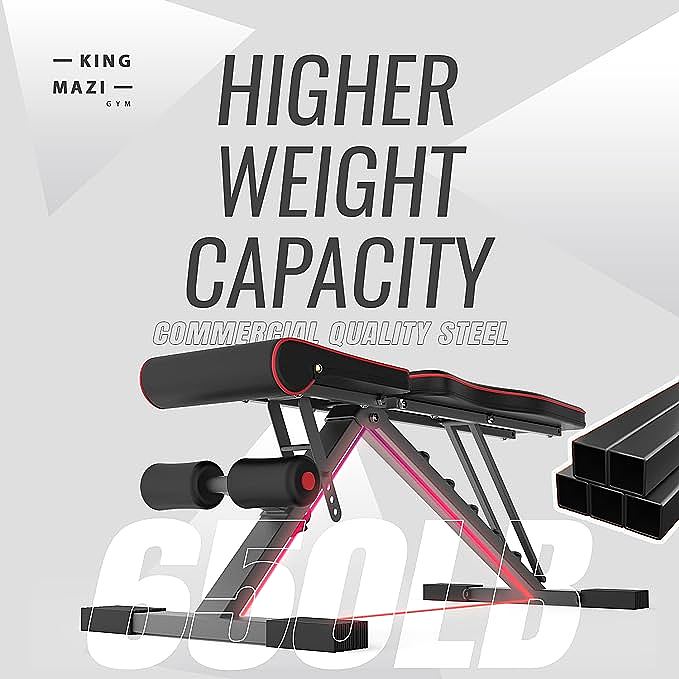
The total rated capacity of a bench — such as the KINGMAZI's stated 650-pound limit — is derived from a safety factor applied to the frame's yield strength. If the steel in the frame yields (permanently deforms) at roughly 2,000 pounds of load, a 3x safety factor gives a rated capacity near 650 pounds. This factor accounts for dynamic loading: the momentary force spike when you catch a heavy dumbbell at the bottom of a press can exceed the static weight by 20 to 40 percent. A bench rated to its yield point without a safety margin would survive static loading but fail under the first explosive movement.
Ergonomics of the Pressing Platform
The dimensions of the bench pad directly affect your ability to generate force safely. Backrest width between 9.5 and 10.5 inches provides shoulder blade clearance for most adults — wide enough to support the thoracic spine, narrow enough that the scapulae can retract and depress freely. A pad that is too wide forces the shoulder blades to rest on the pad itself, preventing the natural retraction that stabilizes the glenohumeral joint during pressing.
Pad length must accommodate your full torso from sacrum to occiput (the base of your skull). For most adults, this means a backrest pad length of at least 28 inches. Shorter pads leave the head unsupported during flat presses, causing the cervical spine to hang in space, which strains the levator scapulae and upper trapezius muscles with every repetition.
Seat width affects hip positioning and leg drive. In the bench press, your feet are planted on the floor and your legs generate a drive force that travels through your hips and up your torso, adding rigidity to your pressing platform. A seat that is too narrow or too slick provides inadequate contact for this force transfer. A seat that is too wide interferes with hip mobility and can force your legs into an externally rotated position that reduces drive power.
The gap between the seat pad and the backrest pad is a design detail that separates thoughtful engineering from careless assembly. When the bench is in the flat position, the two pads should meet flush or overlap slightly. A gap of more than one inch creates an unsupported zone directly under the lumbar spine. During decline presses, this gap is where your lower back hangs in free air — precisely the area most vulnerable to hyperextension injury.
The Economics of Steel: Where the Money Goes
A budget adjustable bench priced around $119 and a commercial-grade model at $349 share the same basic architecture: steel tubes, a pad, and an adjustment mechanism. The cost difference reflects where the manufacturer chose to invest and where they chose to economize.
The steel itself is a relatively small portion of the bill of materials. The difference between 11-gauge and 14-gauge tubing adds perhaps $8 to $12 in raw material cost per bench. Welding quality is where costs diverge more significantly. Robotic welding with consistent penetration and bead geometry costs more in equipment and setup time than manual welding, but produces joints that are structurally predictable. A hand-welded joint in a budget bench might have adequate penetration in most places but a cold weld (insufficient fusion) at one critical point — and that single point becomes the failure initiation site under repeated loading over months of use.
Adjustment mechanisms follow the same cost-quality gradient. A precision-machined pull-pin with a spring-loaded ball detent costs more to produce than a simple spring pin with loose tolerances. The former locks with a positive click and zero play. The latter may require you to wiggle the pin to get it seated, and even then, a millimeter of slop introduces flex under load that accumulates into joint wear.
Pad quality is the area where cost savings are most visible and most immediately felt. High-density polyurethane foam rated for years of commercial use costs roughly three times as much per board foot as generic packaging-grade foam. Top-grain upholstery or heavy-duty PVC vinyl with reinforced stitching costs more than thin vinyl glued to the foam surface. The difference shows up on day one in how the pad feels under your shoulder blades, and on day 365 in whether the foam has permanently compressed into a shallow crater where your spine rests.
Shipping costs also drive design decisions in the budget segment. A bench that folds flat for shipping in a compact box costs less to transport than one with a fixed, wide base. Foldable designs require additional hinge joints, and each hinge is a potential point of flex under load. The engineering challenge is making those hinges stiff enough that they do not compromise the frame's overall rigidity — a challenge that becomes more difficult as the weight rating increases.
The Standard You Did Not Know Existed
In Europe, fitness equipment sold to consumers must meet the EN 957 standard, which specifies requirements for stability, static load capacity, and fatigue resistance. The standard defines test methods: a bench must survive 10,000 loading cycles at its rated capacity without structural failure, and it must not tip over when a 100-kilogram test mass is placed at the edge of the pad.
There is no equivalent mandatory standard in the United States. The Consumer Product Safety Commission tracks injuries related to exercise equipment — emergency room visits for weight bench-related injuries number in the thousands each year — but there is no pre-market testing requirement. Manufacturers self-certify their weight capacities, and the methods used to arrive at those numbers are not standardized. A bench rated at 650 pounds by one manufacturer might have been tested to failure and then divided by a safety factor. Another manufacturer might have applied a static load once and called it sufficient.
This regulatory gap places the burden of evaluation on the buyer. Understanding the engineering principles — tube gauge, triangulation geometry, adjustment mechanism design, load path continuity, pad density, and safety factor derivation — is not academic curiosity. It is the set of tools that lets you distinguish between a bench engineered to manage force and one assembled to fill a price point.
The bench beneath you during a heavy press is not furniture. It is a structural element in a mechanical system that includes your skeleton, your muscles, and gravity. Every tube gauge, every weld bead, every pin tolerance, and every foam density specification is a sentence in the conversation between your body and the ground. The more precisely you understand that language, the safer and more productive your training will be.
KINGMAZI Adjustable Weight Bench
Related Essays
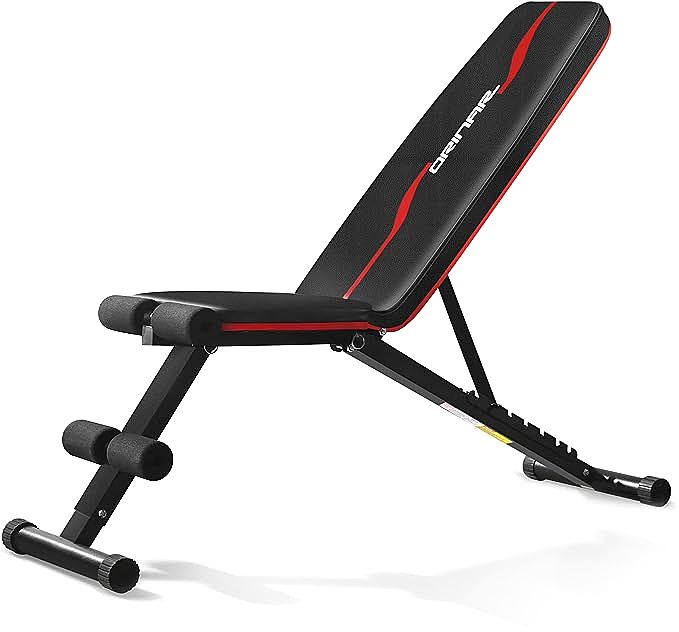
The Invisible Engineering Between You and a Heavy Dumbbell
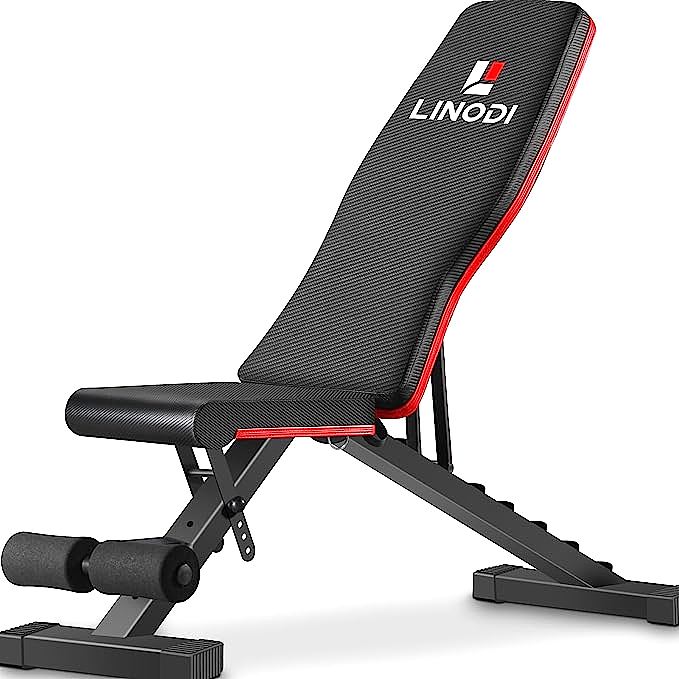
LINODI Adjustable Weight Bench: Your Foundation for Safe and Effective Strength Training
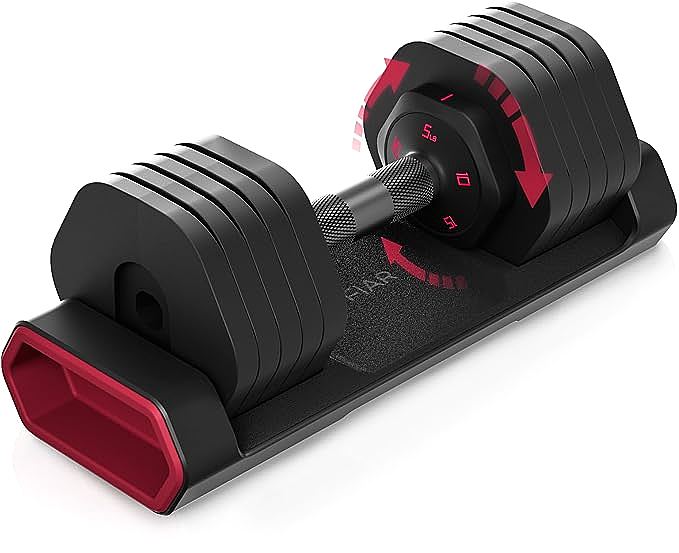
Fiar Adjustable 5-25lb Dumbbells - Compact and Versatile Strength Training
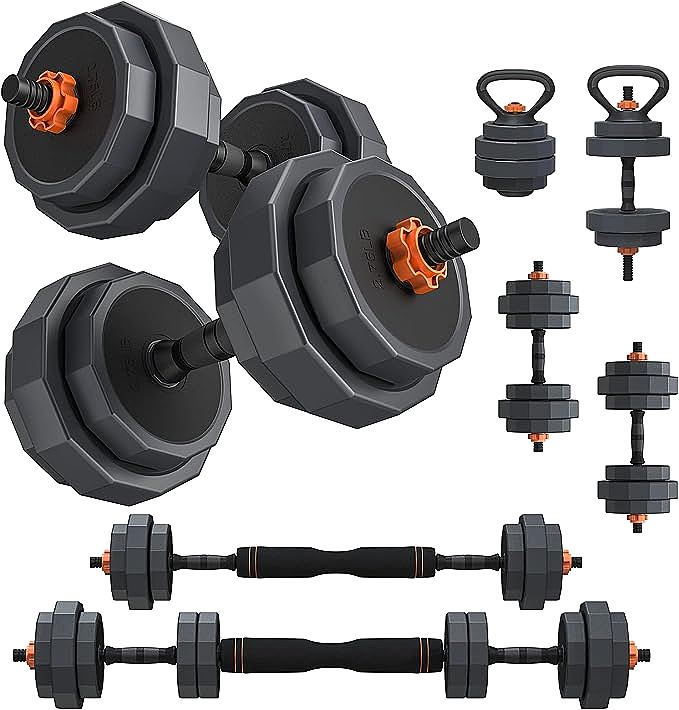
: Lusper Adjustable Weight Dumbbell Set - Versatile and Convenient Home Gym Equipment
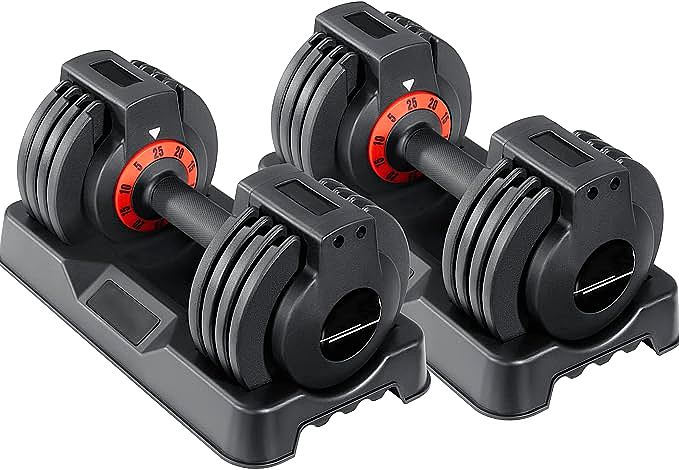
ACCPO DB2518 Adjustable Dumbbells Set - Convenient and Space-Saving Home Gym Equipment
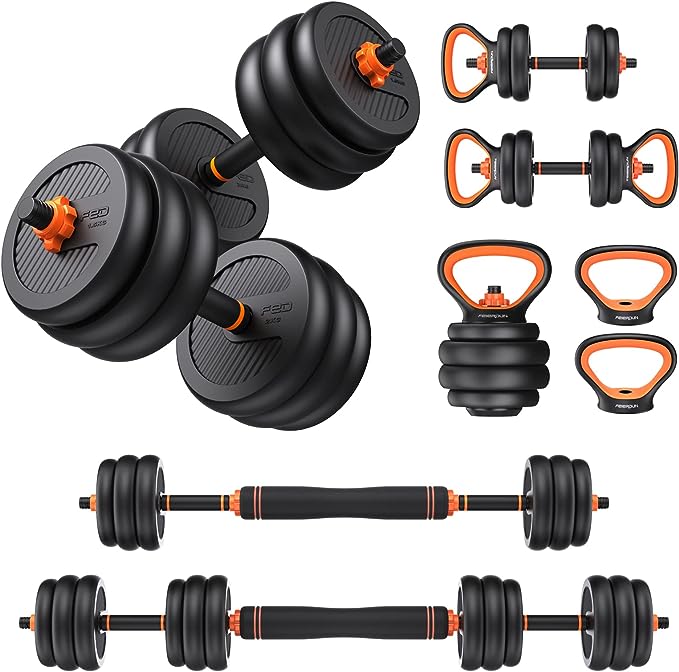
FEIERDUN Adjustable Dumbbells - Versatile and Customizable Strength Training

Kettlebell Swing Biomechanics: Hip Hinge Physics for Maximum Power
Kettlebell Swing Biomechanics: Hip Hinge Physics for Maximum Power
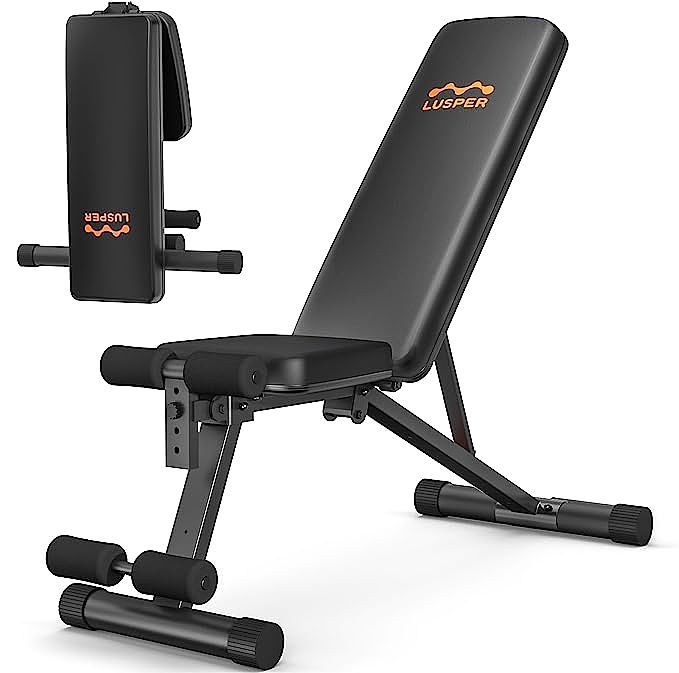
Why Your Weight Bench Keeps Failing You: The Physics, Biomechanics, and Engineering Nobody Explained